
All The Blogs You Could Want And More
Welcome to our complete and informative blogs which are here to inspire you wether that be for our Brick Slips, Stone Cladding, Wood Cladding or, Fireplaces. Everything that is detailed in these blogs below comes from years of knowledge in the industry and is intended to inspire and help those with questions regarding our products. We are continualy updating our blogs and news sections to ensure the information we provide you with is up to date. If you have any questions outside of our blogs, please look at our FAQ pages or contact us via live chat below.
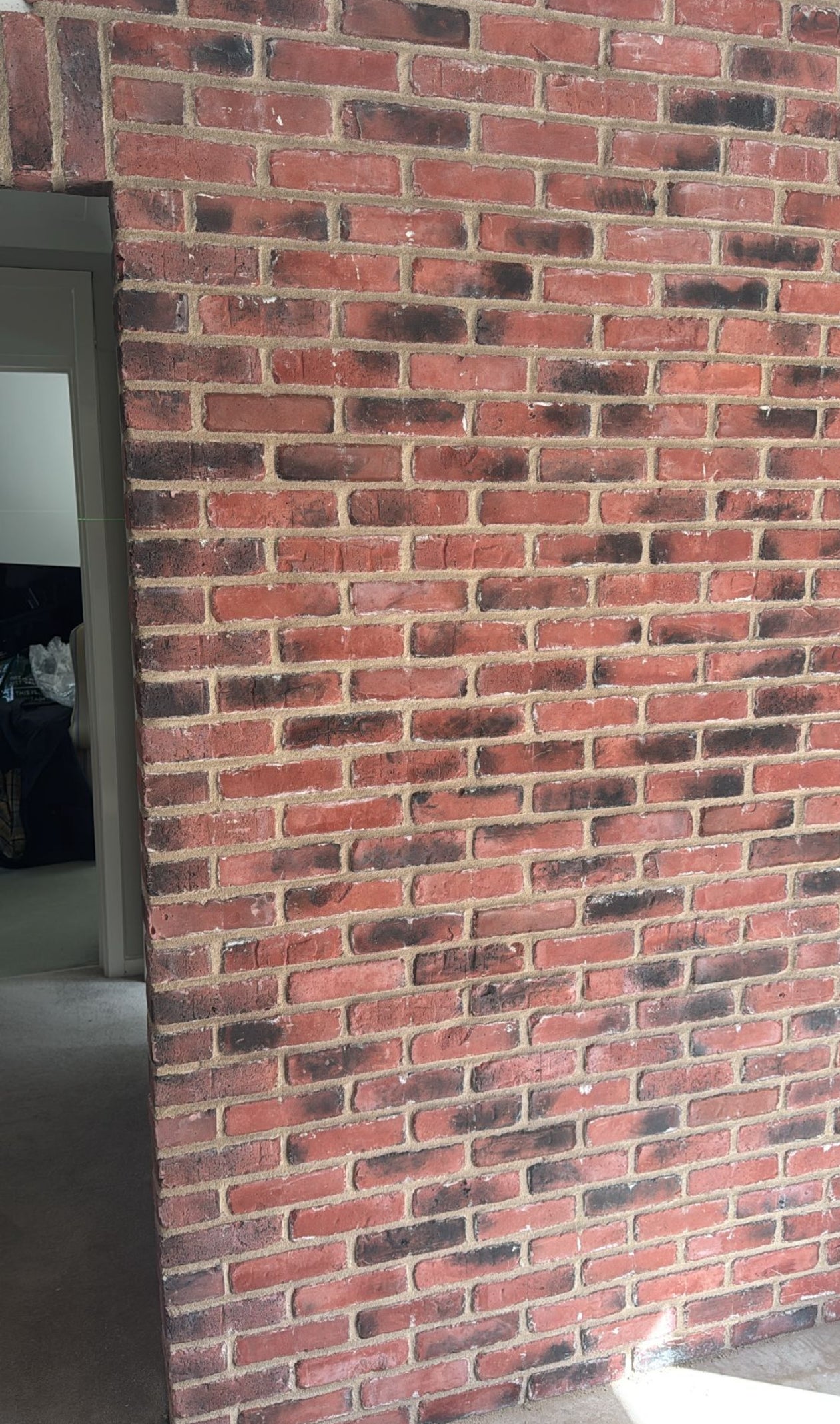
Should You Install Corner Brick Slips or Straight Brick Slips First? A Guide to Perfect Brick Slip Installation
In conclusion, the general rule of thumb is to install corner brick slips first. They anchor the pattern, guide the alignment of straight slips, reduce cutting errors, and ensure a professional, realistic finish
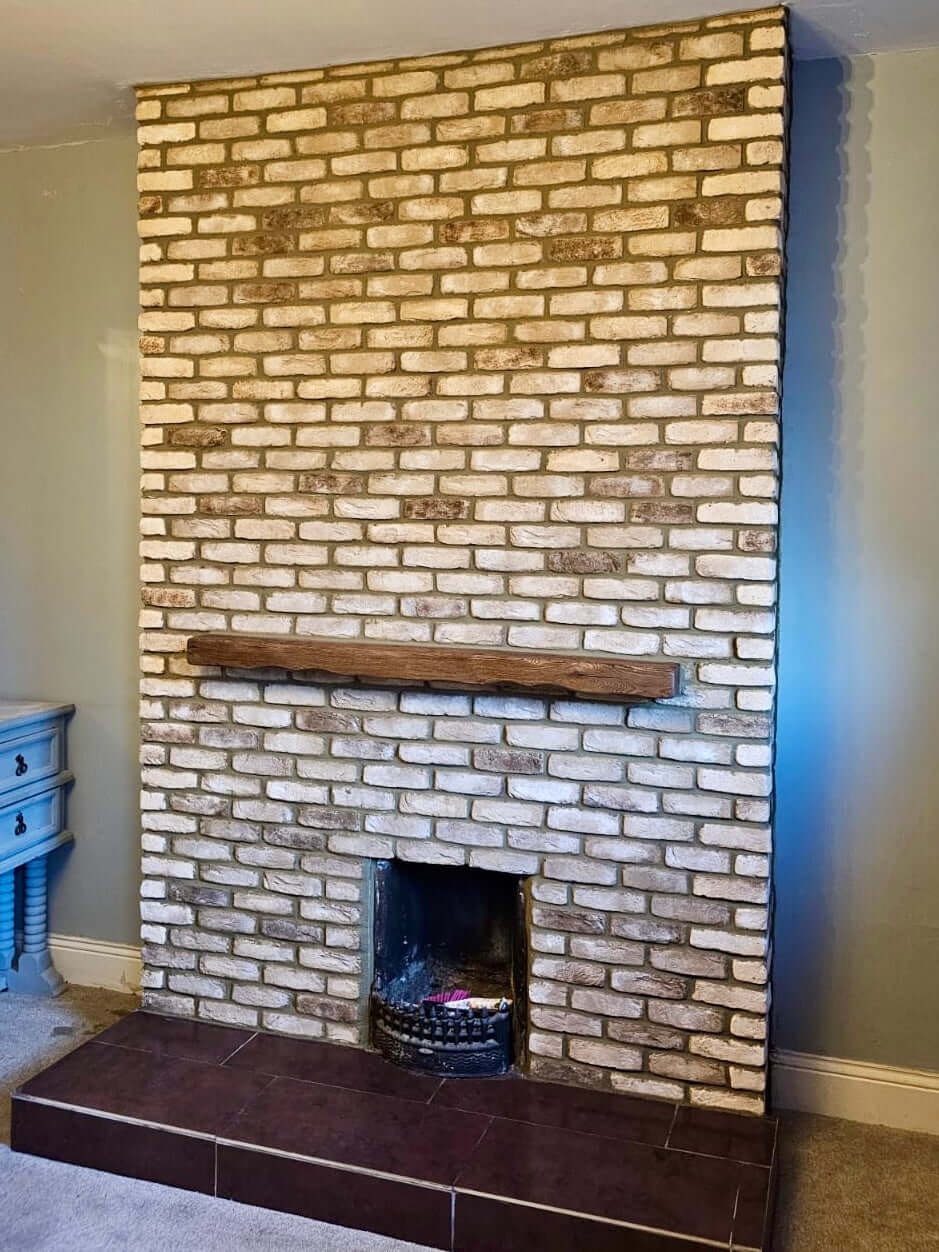
Can You Install Brick Slips Without Using Corner Brick Slips? What to Expect
Ultimately, installing brick slips without corner pieces is a viable option — but it’s a compromise. It works best in low-visibility areas, minimalist interiors or projects where budget constraints outweigh the desire for realism. For feature walls and high-impact spaces, corner brick slips remain the most reliable way to achieve a finished, authentic look.
Brick Slips Done Right: The Role of PVA in Long-Lasting Results
Brick slips are designed to be permanent features. Whether they’re used around fireplaces, in kitchens or as feature walls, they need a solid foundation. Applying PVA first ensures that the finished wall not only looks right on day one, but continues to perform well long into the future.
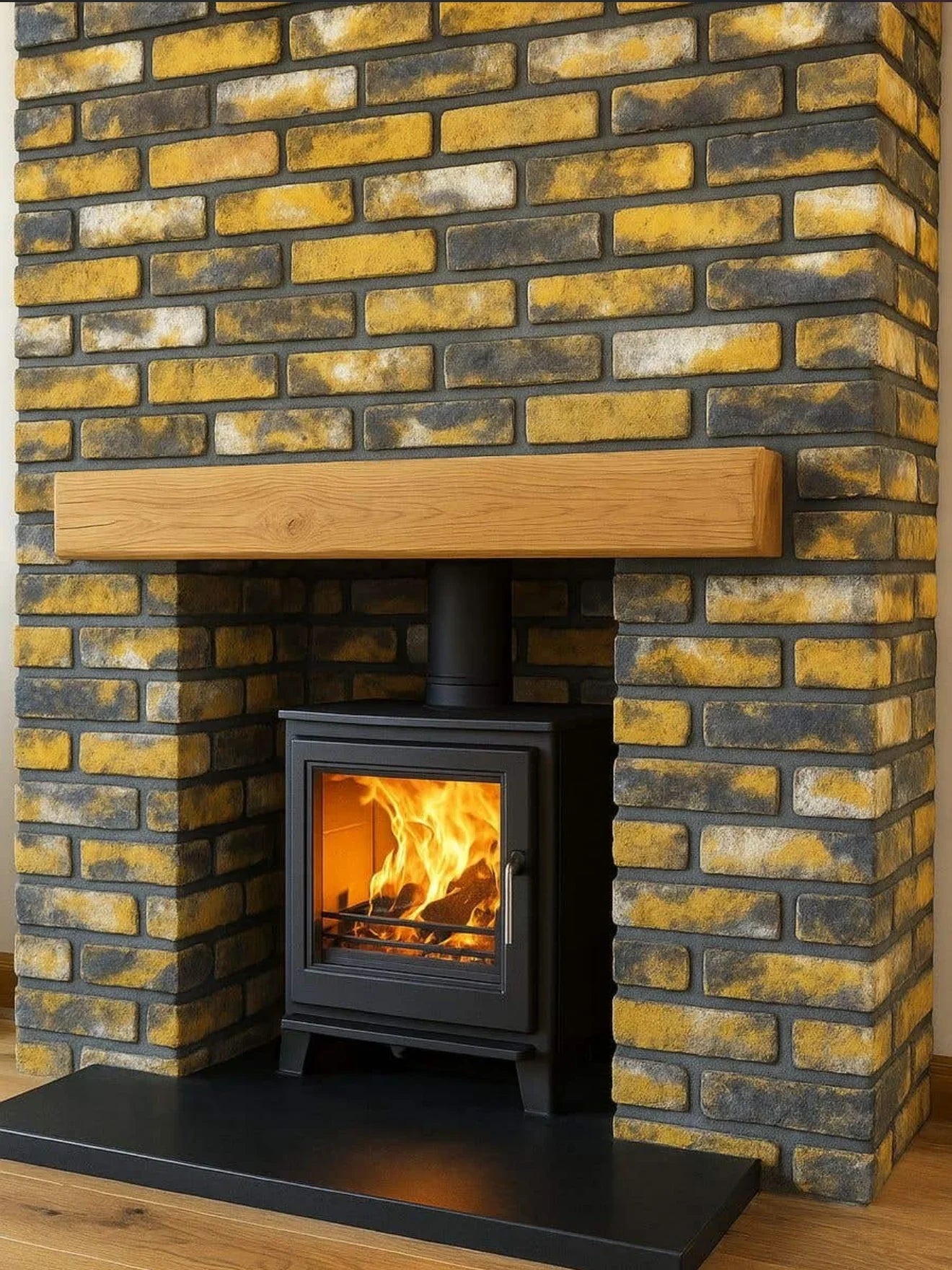
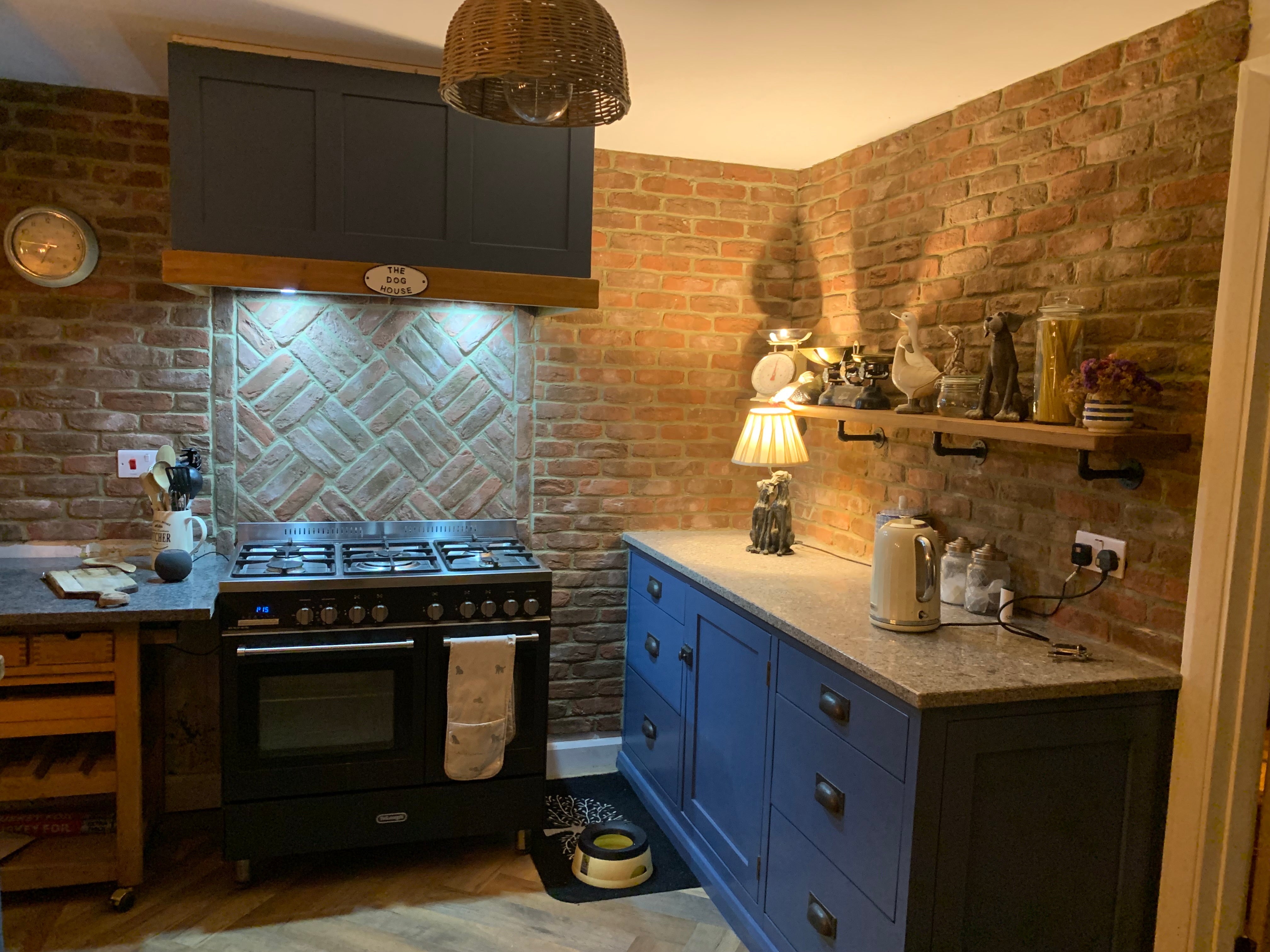
What Are Corner Brick Slips Used For? Creating Realistic Brickwork Without the Bulk
Some installers choose to mitre standard brick slips instead of using pre-formed corner pieces. While this can work, it requires precision and experience to achieve consistent results. Purpose-made corner brick slips remove the guesswork, saving time and ensuring uniformity across the installation.
The Best Method for Cutting Brick Slips: Clean Edges Without Compromising Character
Ultimately, the best cutting method is one that protects the integrity of the brick slips. A wet tile cutter may take slightly longer to set up, but the results speak for themselves. Clean cuts, minimal waste and a professional finish all contribute to a brick slip wall that looks intentional, balanced and built to last.
Why PVA Is the Unsung Hero of a Perfect Brick Slip Installation
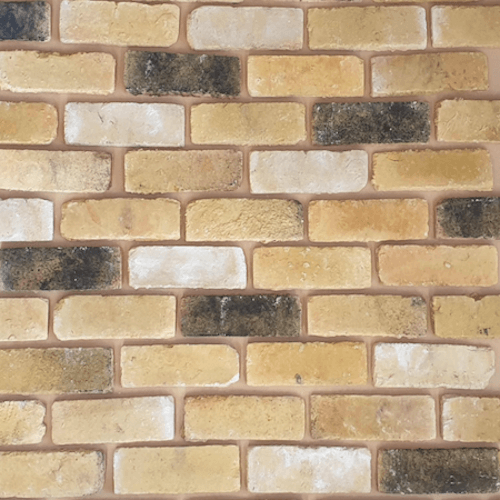
Applying PVA first solves this problem. PVA acts as a sealing layer, reducing suction and creating a controlled surface for the adhesive to grip. Rather than drying out unevenly, the adhesive cures at a steady rate, allowing it to form a strong, reliable bond between the wall and the brick slips.
Brick Slip Blogs
Within the above pages is over 50+ Blogs relating directly to our stunning range of brick slips. This includes, how to install brick slips, different methods to use, decoration ideas for brick slips and inspiration. Brick Slips are on of the fastest growing wall cladding options and it is easy to see why considering, the beauty that they offer. Unlike others, our brick slips are casted using premium materials such as white cement, pumice and oxy dyes to ensure a strong and lasting brick slip whilst still be lighter then our counter parts. In addition to their strong body one of the main reasons our brick slips are so heavily desired is that they are hand made, hand finished and unique. No two brick slips will ever look the same.

Stone Cladding Blogs
Within the above pages is over 50+ Blogs relating directly to our stunning range of stone cladding (also known as stone slips) These blogs go in to much detail from everything from how to install your stone cladding to how to keep your stone cladding clean and everything in between. Our stone cladding is the most premium immitation stone on the marker. Made from a mix of pumice, cement and oxy, our stone slips are up to 40% lighter then real stone, cheaper and offer a more premium and lasting finish. All of our stone cladding has been handmade in the UK with no two stones being the exact same. In addition we also pre-seal all of our stone slips to prevent weathering and staining. If there is anything our Stone Cladding blogs do not cover, please do feel free to get in touch with us.

Check Out Our Most Popular Collections
Subscribe To Our Newsletter
The latest news, events and blogs for our Brick Slips, Stone Cladding,and, Wood Cladding delivered right to your inbox